Unite Students (App)
Unite Students (App)
Overview
Overview
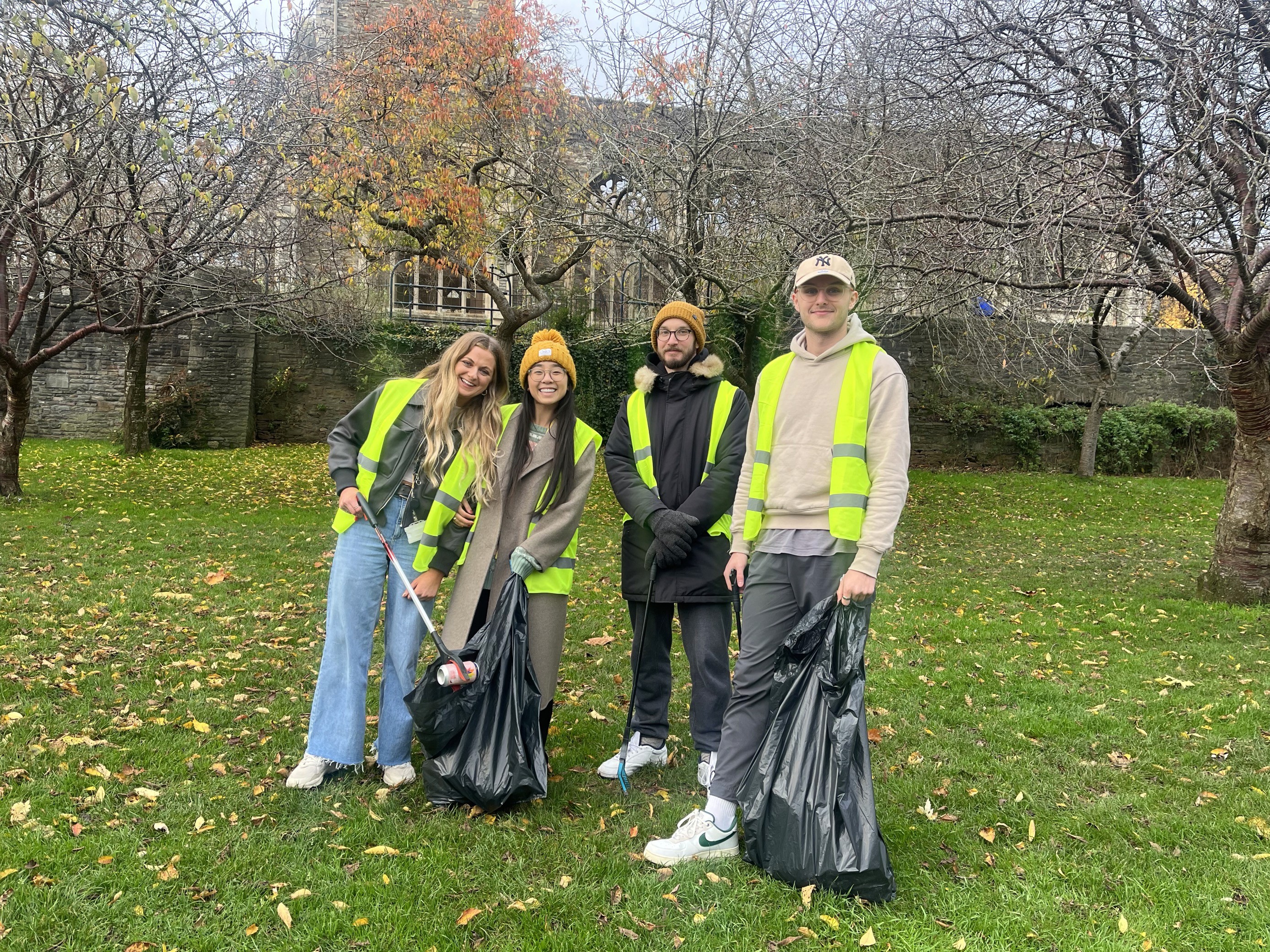
From August 2023 through to August 2024, I worked at Unite Students, as a User Experience (UX) Industrial Placement Student, working on multiple projects, leading discovery as well as supporting design for components used on both app and the website.
From August 2023 through to August 2024, I worked at Unite Students, as a User Experience (UX) Industrial Placement Student, working on multiple projects, leading discovery as well as supporting design for components used on both app and the website.
Approach
Approach
This project focuses on my time supporting the app team. My main project here was the new maintenance request flow. Here is a walk through of that response.
This initiative aimed to reduce call volume to the Emergency Call Centre while enhancing the customer experience within the application.
This project focuses on my time supporting the app team. My main project here was the new maintenance request flow. Here is a walk through of that response.
This initiative aimed to reduce call volume to the Emergency Call Centre while enhancing the customer experience within the application.
Challenges
Challenges
The challenges I faced through this project were stakeholder management, using Adobe AfterEffects to create animations, UX/UI processes and learning new Figma skills.
The challenges I faced through this project were stakeholder management, using Adobe AfterEffects to create animations, UX/UI processes and learning new Figma skills.
Outcome
Outcome
The outcome of this project was creating a flow for maintenance requests, allowing students to raise new requests, view closed requests and see how they are to do their laundry and connect to the wifi when at one of the many Unite Students properties.
The outcome of this project was creating a flow for maintenance requests, allowing students to raise new requests, view closed requests and see how they are to do their laundry and connect to the wifi when at one of the many Unite Students properties.
Wire frames and low fidelity UI
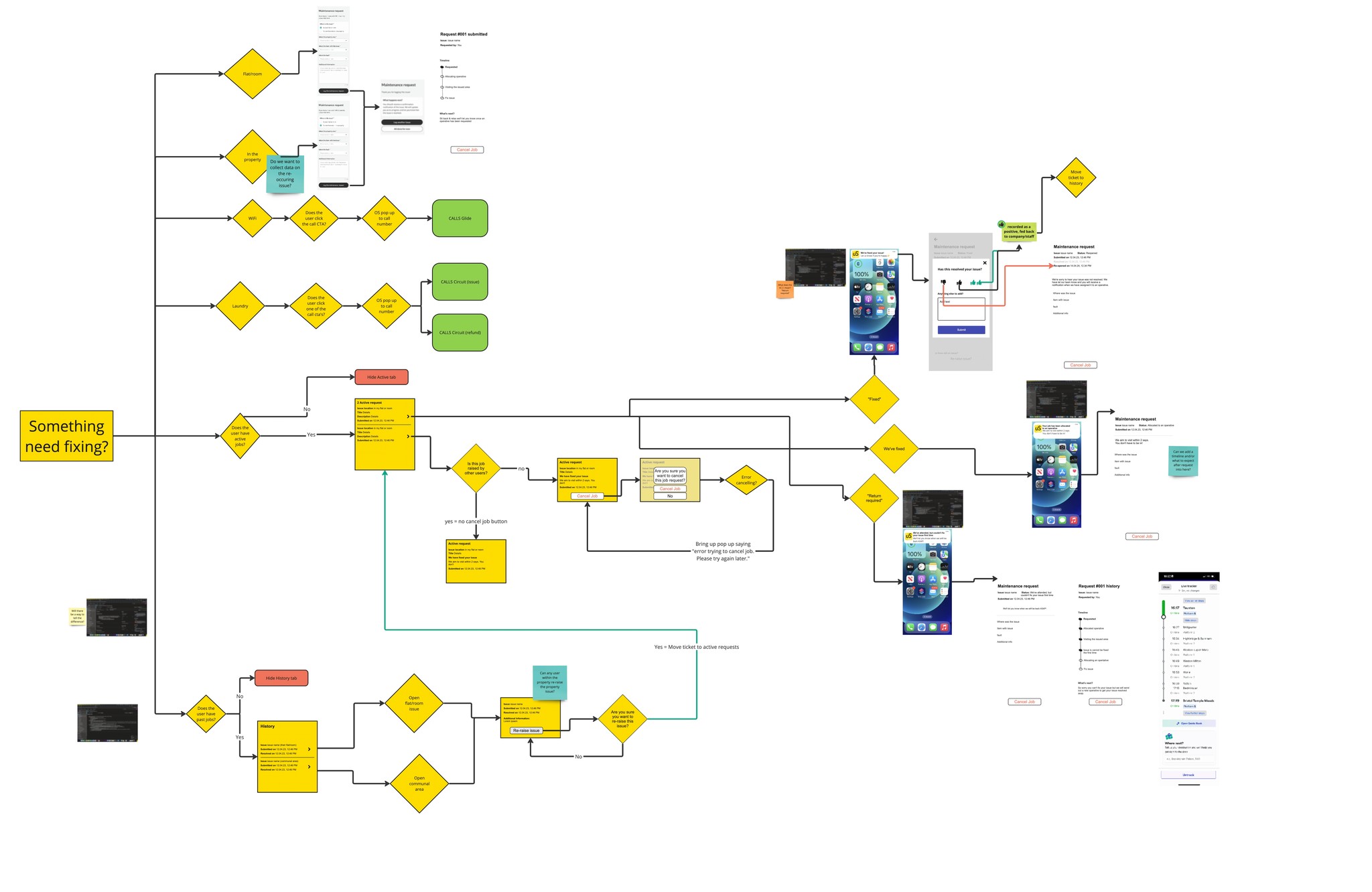
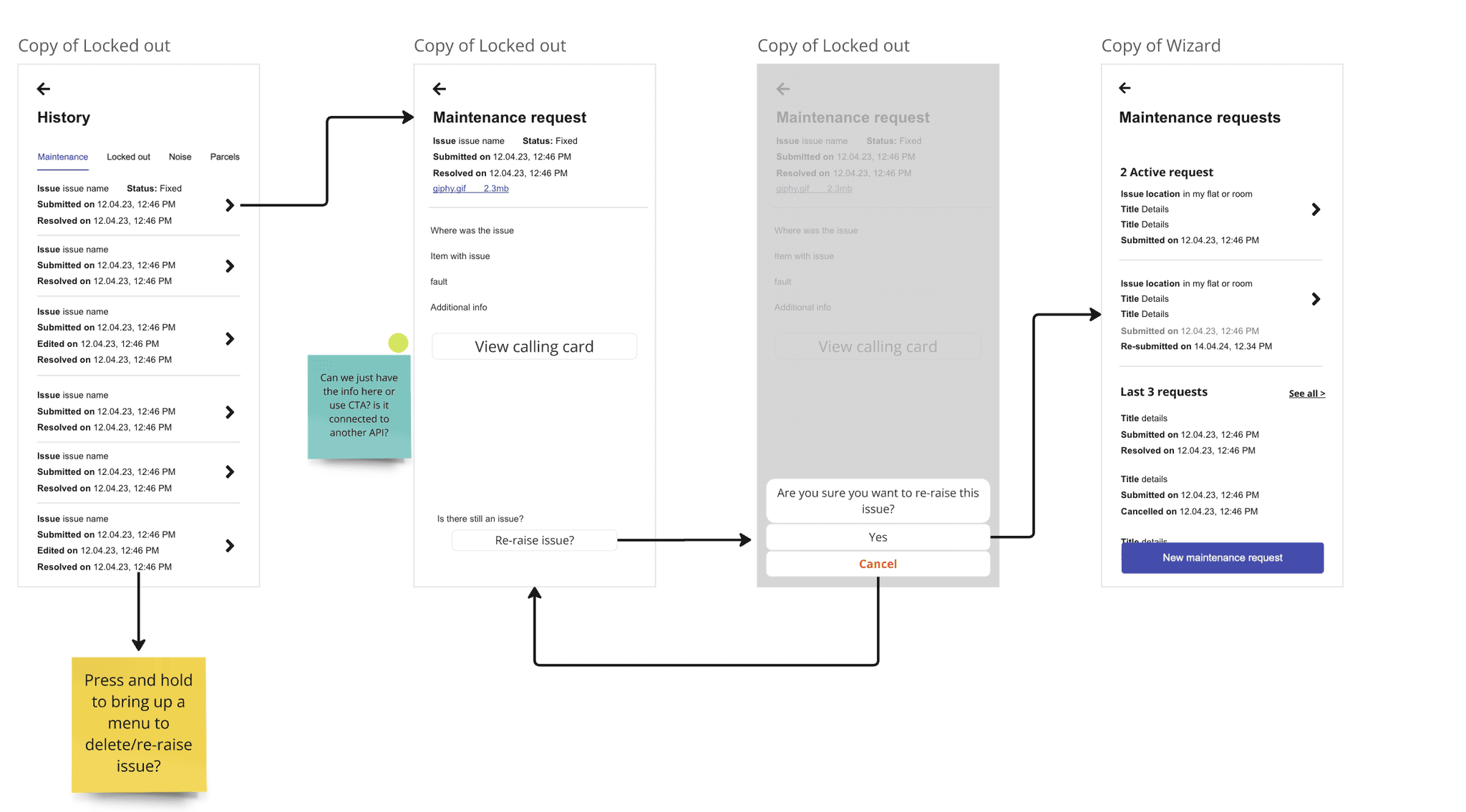
In the discovery phase, we began with wire framing to establish a clear foundation for the project. Wireframes allowed us to focus on the structure and flow of the user experience without getting distracted by visual details. This process helped us identify key user interactions and ensure that the design aligned with user needs and business goals. As we refined the wireframes, they naturally evolved into low-fidelity UI designs, where we started to incorporate basic visual elements. This progression allowed us to quickly iterate on the design, test concepts, and make data-driven decisions before moving into more detailed design work.
In the discovery phase, we began with wire framing to establish a clear foundation for the project. Wireframes allowed us to focus on the structure and flow of the user experience without getting distracted by visual details. This process helped us identify key user interactions and ensure that the design aligned with user needs and business goals. As we refined the wireframes, they naturally evolved into low-fidelity UI designs, where we started to incorporate basic visual elements. This progression allowed us to quickly iterate on the design, test concepts, and make data-driven decisions before moving into more detailed design work.
Moving into high fidelity UI and feedback sessions
Moving into high fidelity UI and feedback sessions
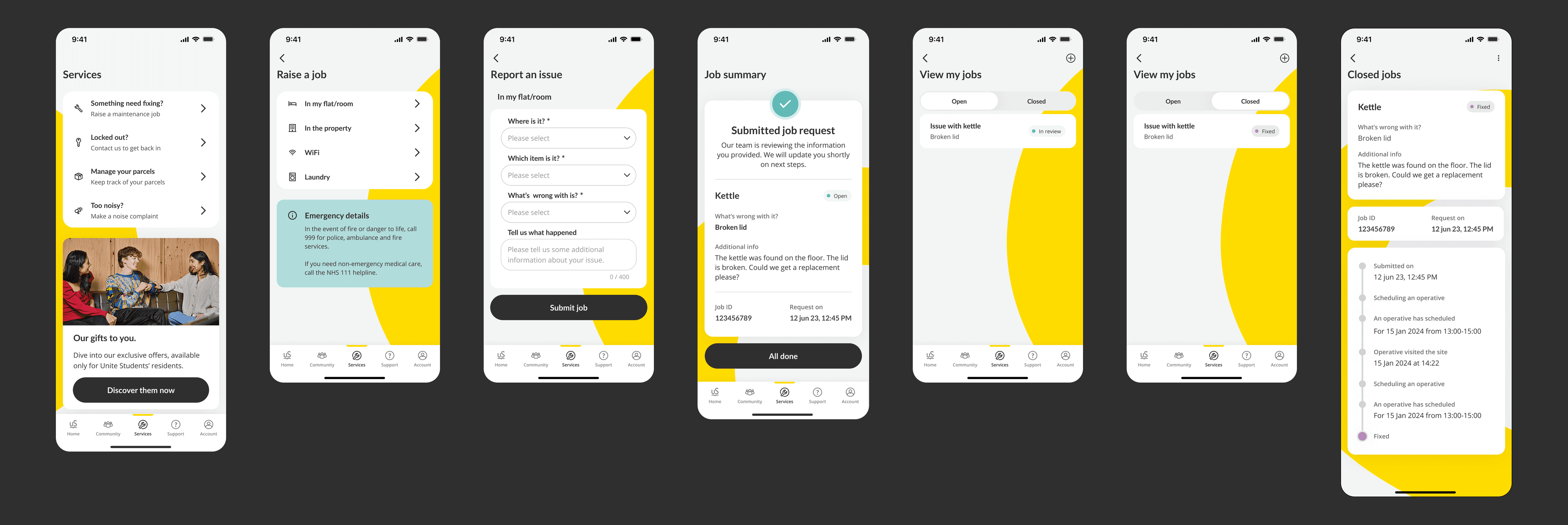
In the transition to high-fidelity UI, the design evolved from basic wireframes to polished, interactive interfaces, reflecting careful attention to detail and brand consistency. This progression allowed for the introduction of color schemes, typography, and interactive elements, creating a visually appealing and user-friendly interface. Throughout this phase, user feedback from earlier testing played a crucial role in guiding iterations, ensuring the design remained user-centered. Stakeholder collaboration further refined the design, with their input leading to key decisions that enhanced the final product. The culmination of this process was a polished UI that effectively met user needs, with feedback sessions confirming the success of the iterative approach.
In the transition to high-fidelity UI, the design evolved from basic wireframes to polished, interactive interfaces, reflecting careful attention to detail and brand consistency. This progression allowed for the introduction of color schemes, typography, and interactive elements, creating a visually appealing and user-friendly interface. Throughout this phase, user feedback from earlier testing played a crucial role in guiding iterations, ensuring the design remained user-centered. Stakeholder collaboration further refined the design, with their input leading to key decisions that enhanced the final product. The culmination of this process was a polished UI that effectively met user needs, with feedback sessions confirming the success of the iterative approach.
Final outcome before entering development
Final outcome before entering development
Once I had gained feedback from the respective parties. I went on to working on the final UI for this feature, checking in with my more senior colleagues, from both Unite and Apadmi when I felt that I needed the support. After this constant cycle of feedback and deliberation, we came to these outcomes. As well as the flow, as a team, we designed some animations to explain how to use the new features.
Once I had gained feedback from the respective parties. I went on to working on the final UI for this feature, checking in with my more senior colleagues, from both Unite and Apadmi when I felt that I needed the support. After this constant cycle of feedback and deliberation, we came to these outcomes. As well as the flow, as a team, we designed some animations to explain how to use the new features.
What I learned from this experience
What I learned from this experience
Coming through this experience, I learned a large amount about UX/UI principles, designing for accessible users and also a lot on Figma skills. This was my one main project when working at Unite, it pushed me to work hard and deal with stakeholders to get to the final outcome. Also this process showed me how important working as a team is. Constantly getting feedback from the in-house UX team, as well as the external resource we had from Apadmi.
Coming through this experience, I learned a large amount about UX/UI principles, designing for accessible users and also a lot on Figma skills. This was my one main project when working at Unite, it pushed me to work hard and deal with stakeholders to get to the final outcome. Also this process showed me how important working as a team is. Constantly getting feedback from the in-house UX team, as well as the external resource we had from Apadmi.